

Evolution of Real Estate Marketing: A Journey Through Trends from the 1980s to Today
In the ever-changing landscape of real estate marketing, trends and strategies have evolved significantly over the decades, shaped by advancements in technology, shifts in consumer behavior, and changes in market dynamics.
From traditional print advertising to cutting-edge digital innovations, let's take a journey through the trends in real estate marketing, starting from the 1980s to the present day.
1980s: Print Advertising Dominance
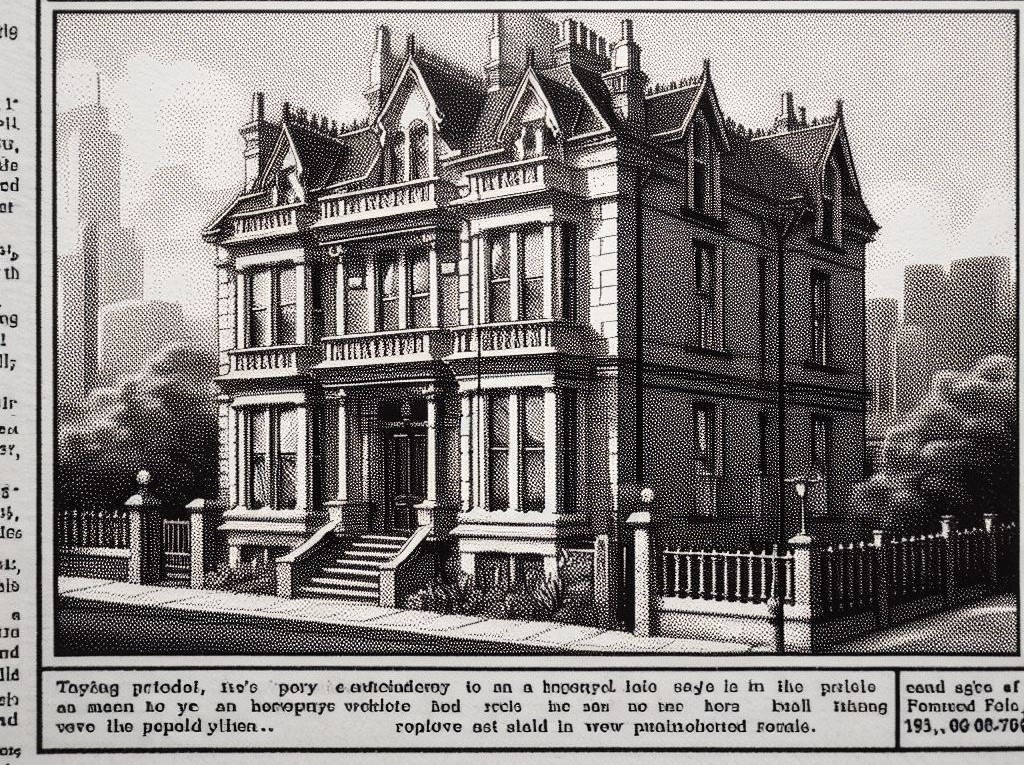
In the 1980s, print advertising reigned supreme as the primary marketing tool for real estate professionals. Newspaper classified ads, glossy brochures, and property flyers were the go-to methods for showcasing listings and attracting buyers. Real estate agents relied heavily on print media to reach potential clients and generate leads, with eye-catching visuals and compelling copy driving interest in properties.
1990s: Rise of MLS and Brokerage Websites
The 1990s brought about the widespread adoption of Multiple Listing Services (MLS) and the emergence of brokerage websites as essential tools for real estate marketing. MLS platforms allowed agents to share listings and access a comprehensive database of properties, streamlining the buying and selling process. Brokerage websites provided an online presence for real estate agencies, offering property listings, agent profiles, and valuable resources for buyers and sellers.
Early 2000s: Introduction of Digital Photography and Virtual Tours
The early 2000s saw the introduction of digital photography and virtual tours as game-changing innovations in real estate marketing. Digital cameras made it easier and more cost-effective to capture high-quality images of properties, enhancing the visual appeal of listings. Virtual tours, powered by interactive 360-degree imagery, allowed buyers to explore properties remotely, providing a more immersive viewing experience than traditional photographs.
Mid-2000s: Emergence of Social Media and Online Listings Platforms
With the rise of social media and online listings platforms in the mid-2000s, real estate marketing underwent a significant shift towards digital channels. Real estate professionals began leveraging platforms like Facebook, Twitter, and LinkedIn to connect with potential clients, share property listings, and build their brand online. Online listings platforms such as Zillow, Trulia, and Realtor.com became go-to destinations for homebuyers and sellers, offering comprehensive databases of properties and valuable market insights.
Late 2000s to Present: Embrace of Video Marketing and Virtual Reality
In recent years, video marketing and virtual reality (VR) have emerged as leading trends in real estate marketing, offering immersive and engaging experiences for buyers and sellers alike. Real estate agents are leveraging video tours, property walkthroughs, and drone footage to showcase listings in dynamic and captivating ways. Virtual reality technology allows buyers to experience properties in a fully immersive 3D environment, providing a realistic sense of scale, space, and layout.
Future Trends: AI-Powered Personalization and Augmented Reality
Looking ahead, the future of real estate marketing is poised to be shaped by advancements in artificial intelligence (AI) and augmented reality (AR). AI-powered algorithms will enable real estate professionals to deliver personalized marketing experiences tailored to each individual client's preferences and needs. AR technology will allow buyers to visualize renovations, decor changes, and furniture placement in real-time, transforming the way properties are marketed and sold.
Conclusion:
Adapting to the Changing Landscape of Real Estate Marketing From print advertising and MLS platforms to digital photography and virtual reality, the trends in real estate marketing have evolved significantly over the decades.
Real estate professionals must adapt to the changing landscape, embracing digital innovations, and leveraging new technologies to reach clients, showcase properties, and drive success in today's competitive market.
By staying ahead of trends and embracing innovation, real estate professionals can position themselves for success in the dynamic and ever-evolving world of real estate marketing.